
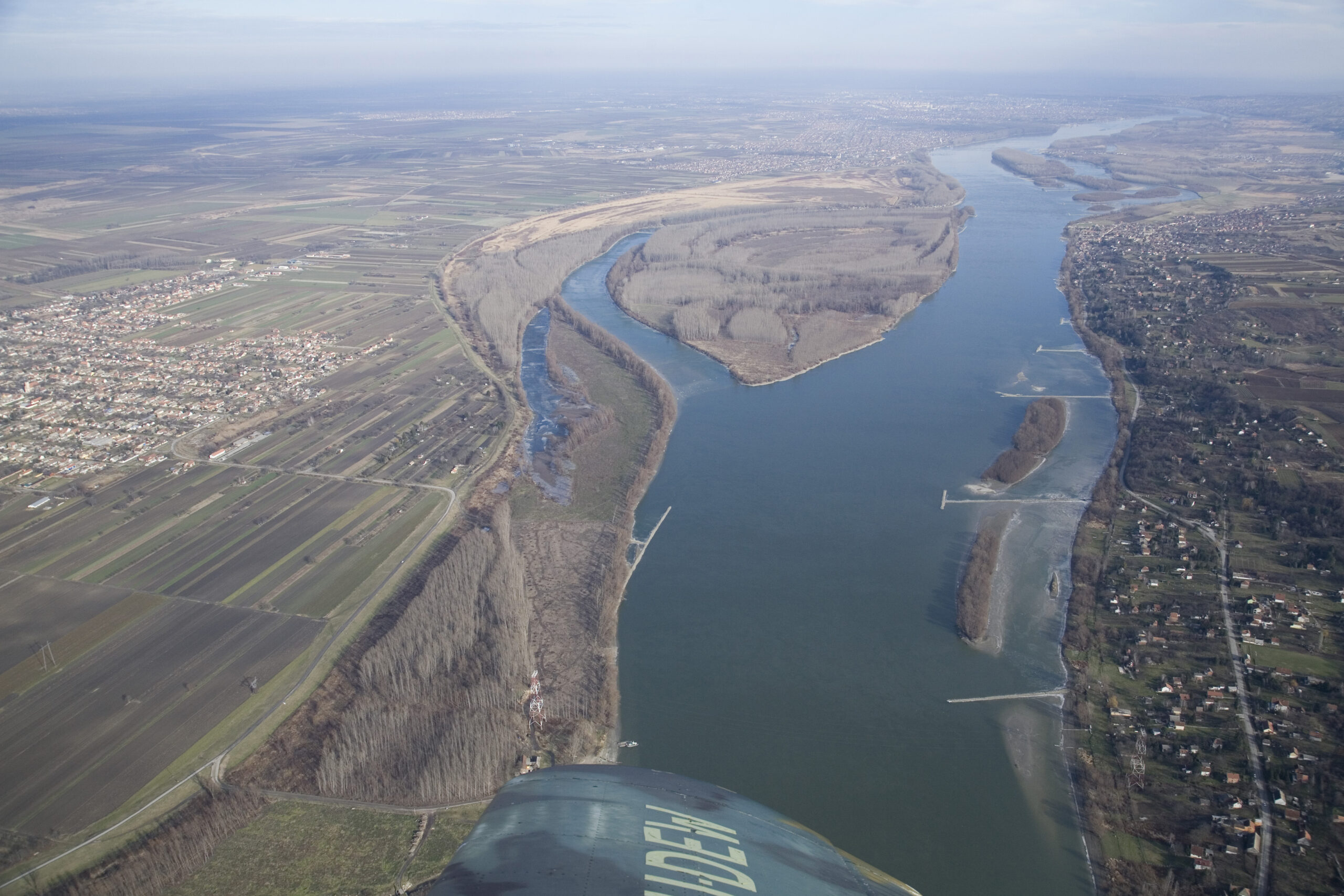
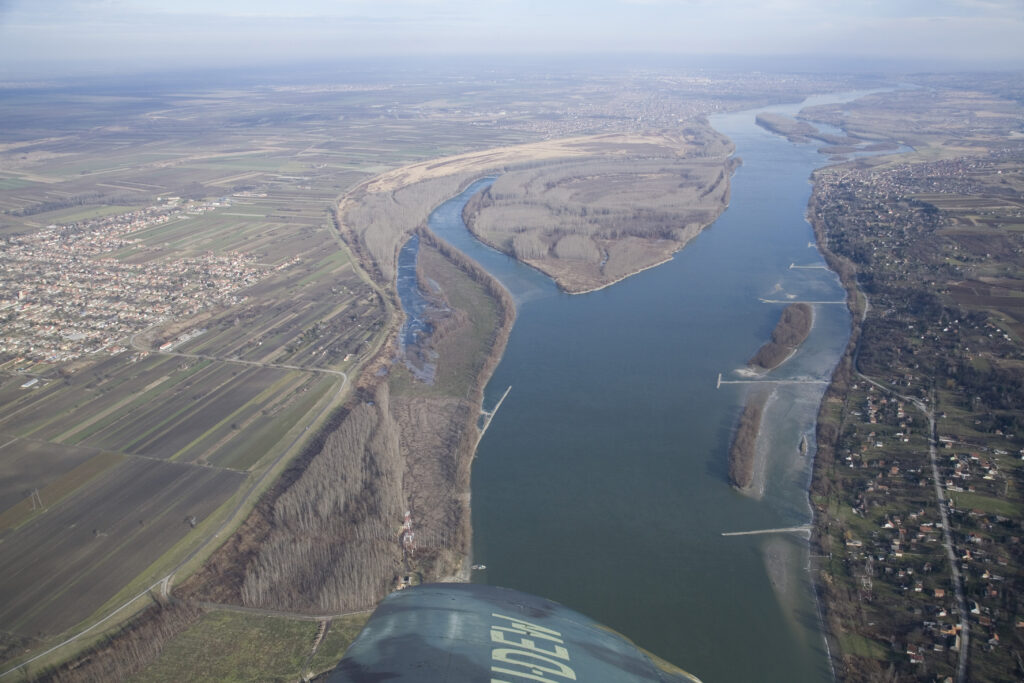
The favorable geographical position of Banoštor on the northern slopes of Fruška Gora, at a place where there is a favorable crossing over the Danube, made it an important strategic place in all periods. Thus, in Banoštra, the Romans built the Bononia camp with a dock which, together with the Onagrinum fortress in Begeč on the left bank of the Danube, was used to control river traffic. This Roman port was originally probably a prehistoric earthen fortification (opidum) that also guarded the crossing over the Danube. The Roman fort was located on a rectangular plateau with slopes on three sides (east, north, west) and with ramparts on the edge of the plateau. The layout of all the buildings is not known, but the archaeological method established that there were large thermal baths in the eastern half. A waterworks was discovered as well as a large ancient cemetery on the slope of the hill, east of the fortification.
Roman coins, bricks with the marks of the VI Legion of Herculia and the II Cohort Alpinorum, as well as several stone monuments with inscriptions that were found in today’s village, should be mentioned among the finds. The brick pier is mostly eroded and partly located in the river bed. Campanorum cohort part V of the Ioviae legion, as well as a detachment of equites Dalmatae, were stationed in Banoštor. Roman emperors Julian and Gratian stayed in Banoštor. At the end of the 19th century, a grave with a cremated deceased from the early Roman period was accidentally excavated on the Milina brdo stretch. At the site of Đurikovačko gumno, a cultural layer was confirmed that contained ceramics dated to the younger Late Late phase, as well as Italian imports from the time of the Flavians. A monument with an inscription mentioning Septimius Severus comes from the same locality.