About the Ancient Collection of the City Museum in Sombor
The territory of today’s Bačka and Banat was inhabited by various Sarmatian tribes from the 1st to the 4th century. The arrival of the Sarmatians, a population of Iranian-Southern Russian origin, to the territory of Bačka brought about significant ethnic and economic changes.
By settling in this territory, the Sarmatians were on the one hand strongly influenced by the indigenous Dacian and Celtic population, while on the other hand the Roman Empire tried to defend its interests and expand its borders.
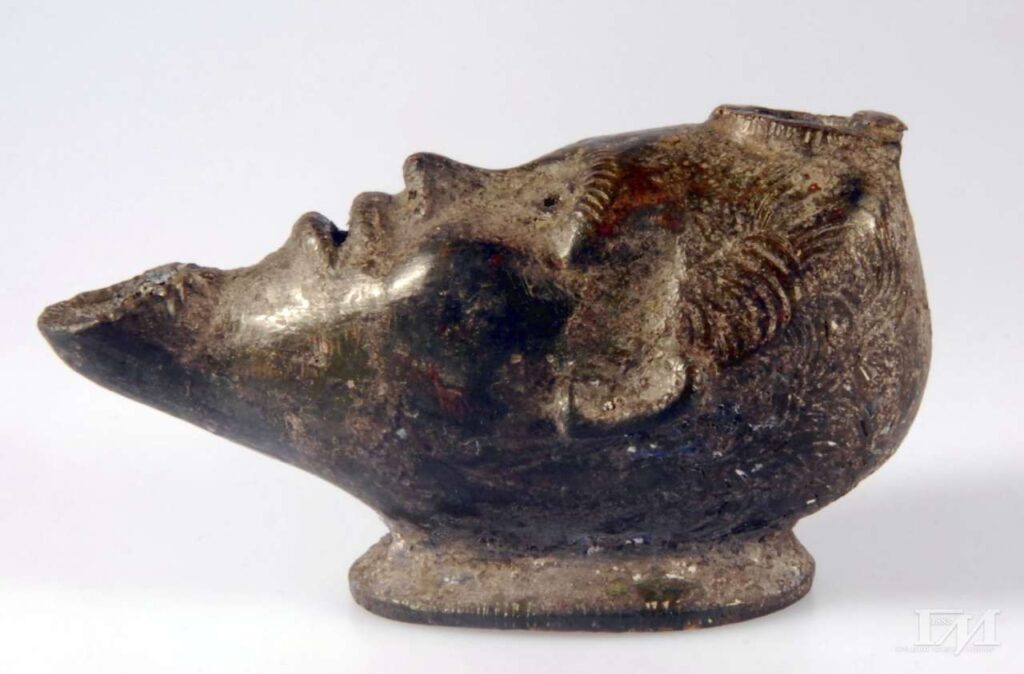
Roman-Sarmatian relations were variable and ranged from frequent wars to occasional allied-mercenary relations in short periods of calm, when a lively mutual trade developed, as evidenced by the finds of Roman coins and other objects found in Sarmatian settlements and necropolises.
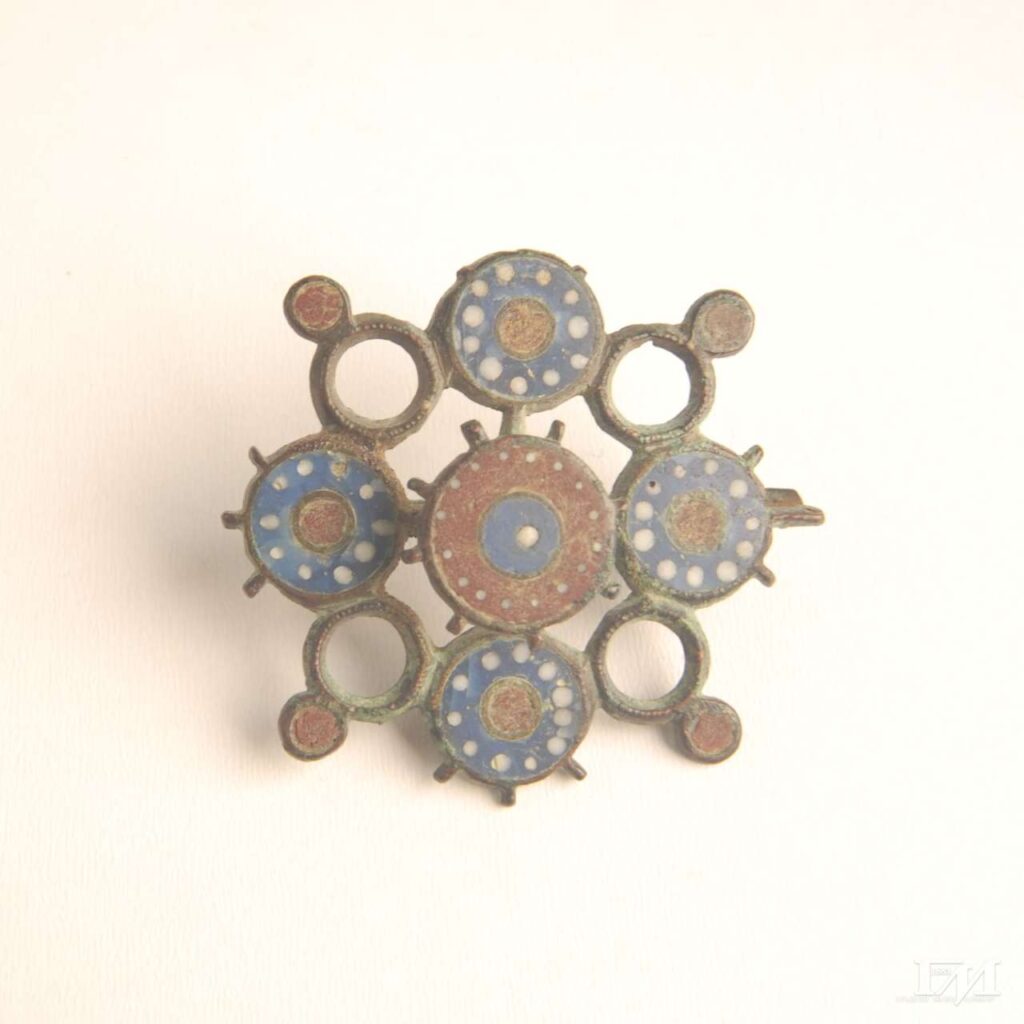
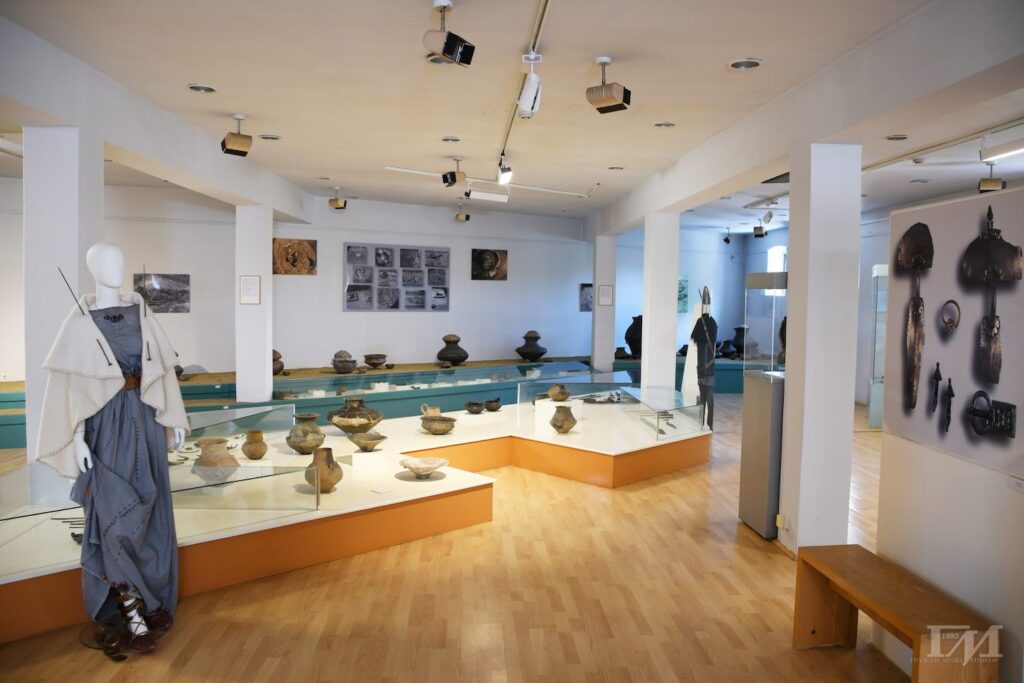
The mass influx of these tribes to the area of Bačka and Banat occurred in the middle of the 2nd century, therefore the most numerous necropolises testify to the period of the 3rd-4th centuries. Settlements are most often located on the former banks of rivers and streams. As accessories in the graves, beads around the neck, vessels with coarse and fine textures next to the legs or head of the deceased, bracelets and links made of bronze wire, torkves (made of bronze or silver wire with open ends), fibulae (mostly plate-like), usually decorated with enamel, are most often found in graves. various colors with geometric and zoomorphic ornaments. The material culture of the Sarmatians is reflected in the objects most often found in graves in Bajmok, Svetozar Miletić, Ruski Krstur, Vrbas, Kula, Stanišić…
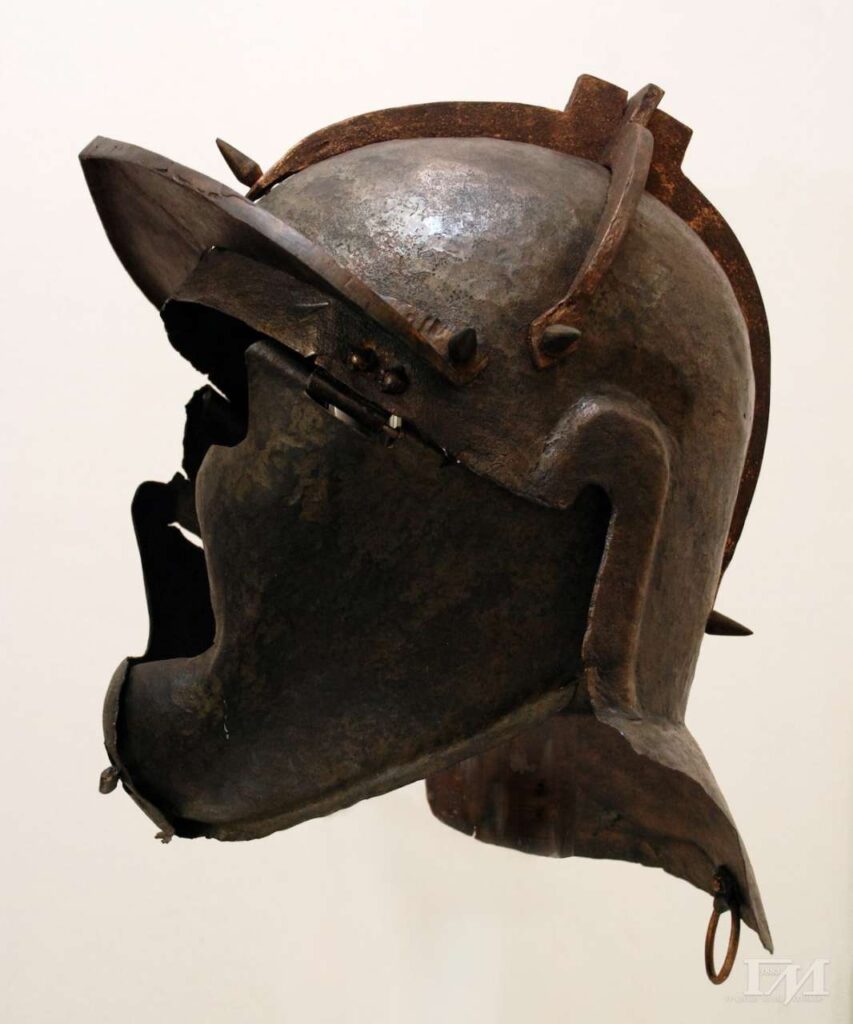
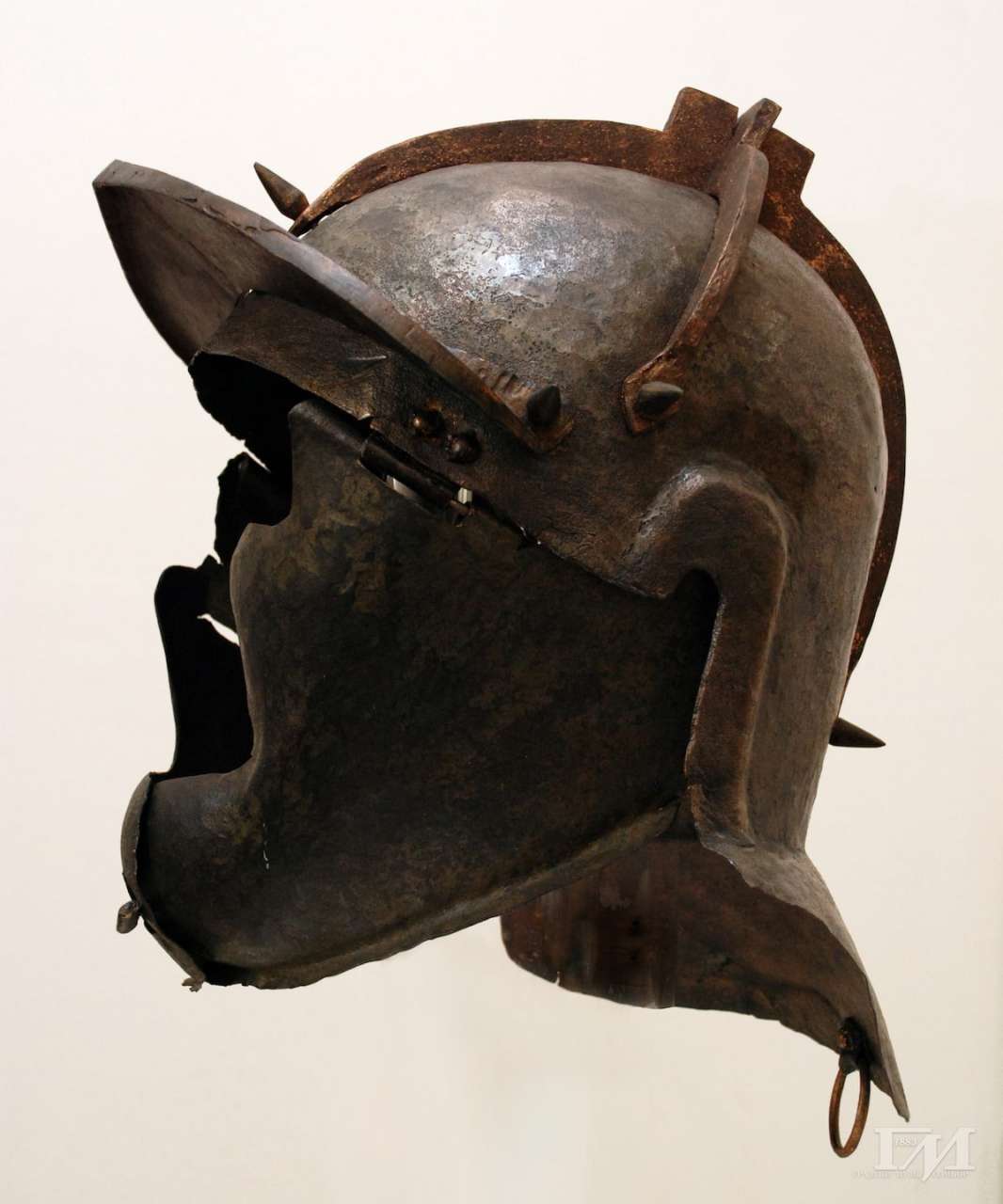
Among the important items in the ancient collection of the Sombor City Museum is a Roman helmet from Sivac. The helmet belongs to a specific type of cavalry helmets used during the reign of the emperors of the Antonine and Severus dynasties in the axial cavalry.