
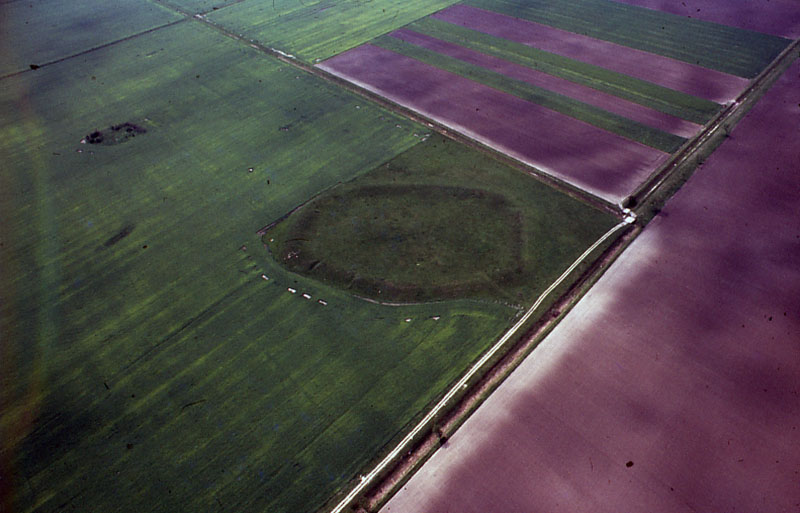
In the vicinity of today’s Vrbas, in the atar of Bački Dobro Polje, there is the Late Late Late Late Late Late Late settlement of Čarnok. The settlement is located in the central part of the fertile Bačka Plain on the southern slopes of the Telek Plateau, between the two fertile rivers Danube and Tisa, the main waterways through which intensive exchange of goods took place during the prehistoric period, as well as today.
In addition, two smaller Pannonian rivers flow into the Tisza in the immediate vicinity of the Late Late Late/Skordi settlement on Čarnok. Charnock was easily reached by their waterways. The river Crna bara, which flows through today’s Vrbas, goes around Charnok from the north side. Somewhat south of Čarnok are the bends of Jegrička, on the right bank of which, up to the confluence with the Tisza, are scattered numerous open-type Late Late Scordis settlements.
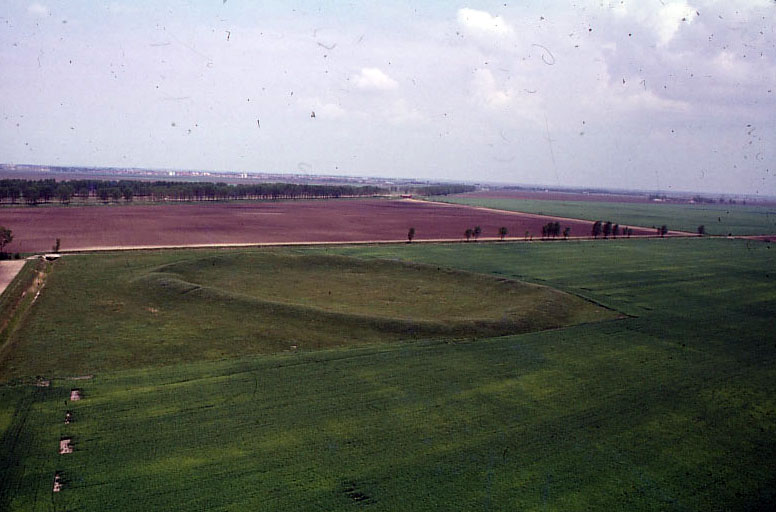
The dimensions of the fortification are 190×130 m, with a massive earth rampart with wooden palisades, about 12 m wide and a preserved height of 3 m2. At the same time, the settlement was also protected by an external moat/ditch about 12 m wide, which after two millennia was almost buried/buried, but its contours can still be discerned.
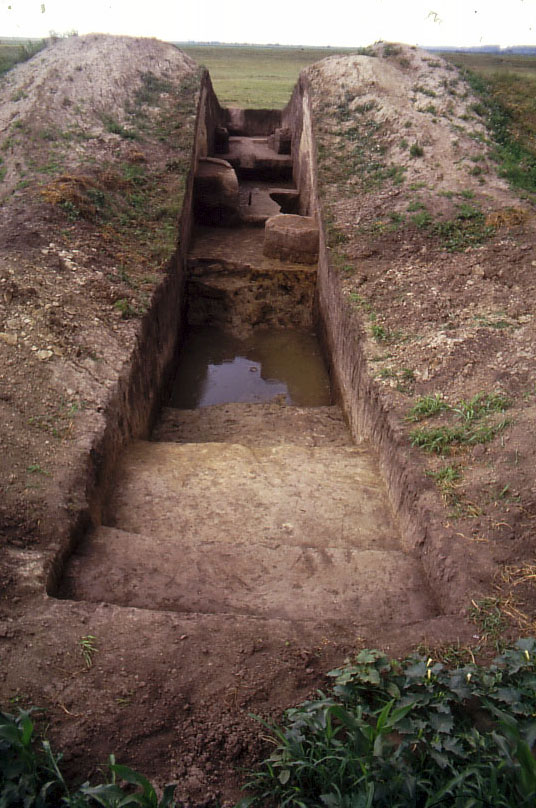
The remains of the massive earthen rampart still dominate this part of the Bačka Plain. At the end of the 19th century, this earthen fortification encouraged the members of the Historical Society of Bač – Bodrog County from Sombor to take the first research steps on it.
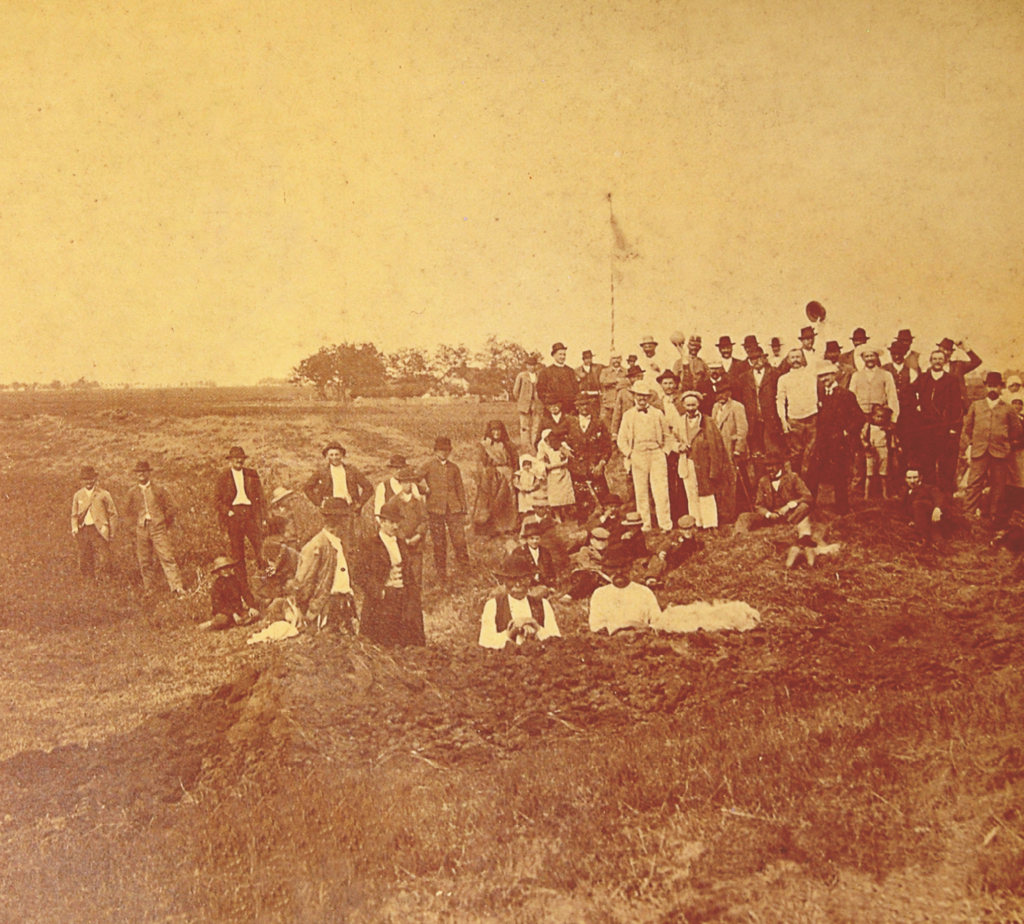
According to the report of Đula Kiš, the Society’s notary at the time, research was carried out on Čarnok in the late 19th and early 20th centuries on several occasions. The report shows that the members of this society last stayed on Charnock in 1902. After sounding work was carried out on the rampart and inside the settlement in the period from 1984 to 2008, based on the analysis of mobile archaeological material, primarily vessels made of baked clay, but also accompanying buildings and their contents, it was concluded that the Late Late Late Late Late settlement of Charnok during In the 2nd century AD, united Celtic tribes known on the historical stage as Skordisci were built. Research works have recorded the existence of two types of settlements – open, which is older and closed with an earthen rampart (embankment) and an external trench (ditch or moat). During the works, it was discovered that the younger settlement was built on the remains of the older one. In the historical part of the fortified settlement on Charnok, under the earthen rampart, the remains of above-ground residential buildings with circular furnaces were discovered.
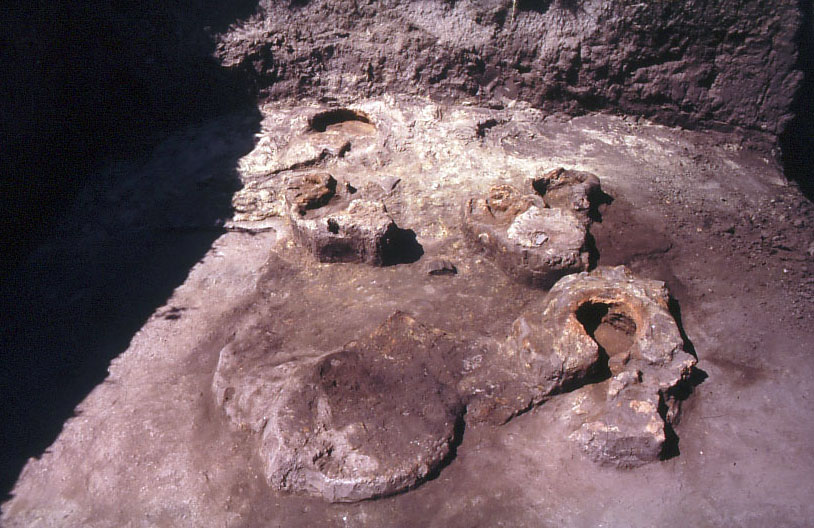
The cross-section of the earth embankment/ramparts on Charnok, on the northeastern side, provides a complete picture of the way the settlement and fortification were built, as well as its function.
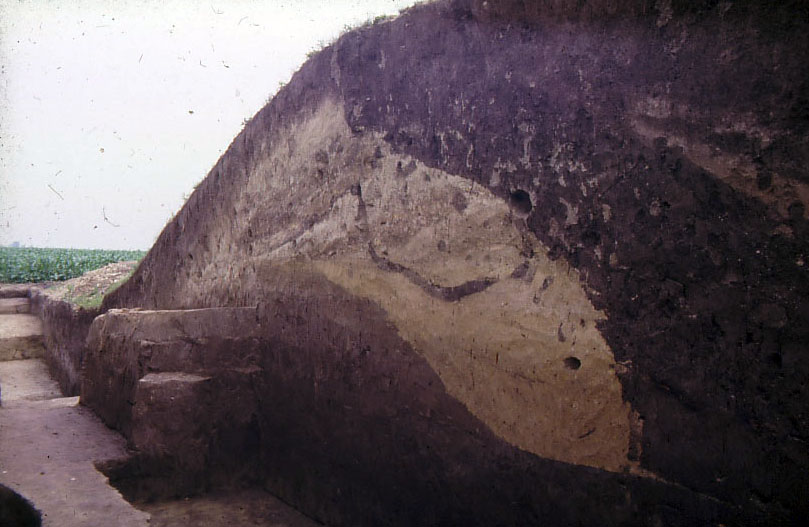
It was established that before the construction of the ramparts, there was an older open-type settlement in the same place, the remains of which are still located near the fortifications. Vertical stratigraphy established three settlement horizons or three phases in the closed part of the settlement.
The first phase related to the establishment of an open settlement with semi-buried buildings, – dugouts, but also a number of above-ground buildings.
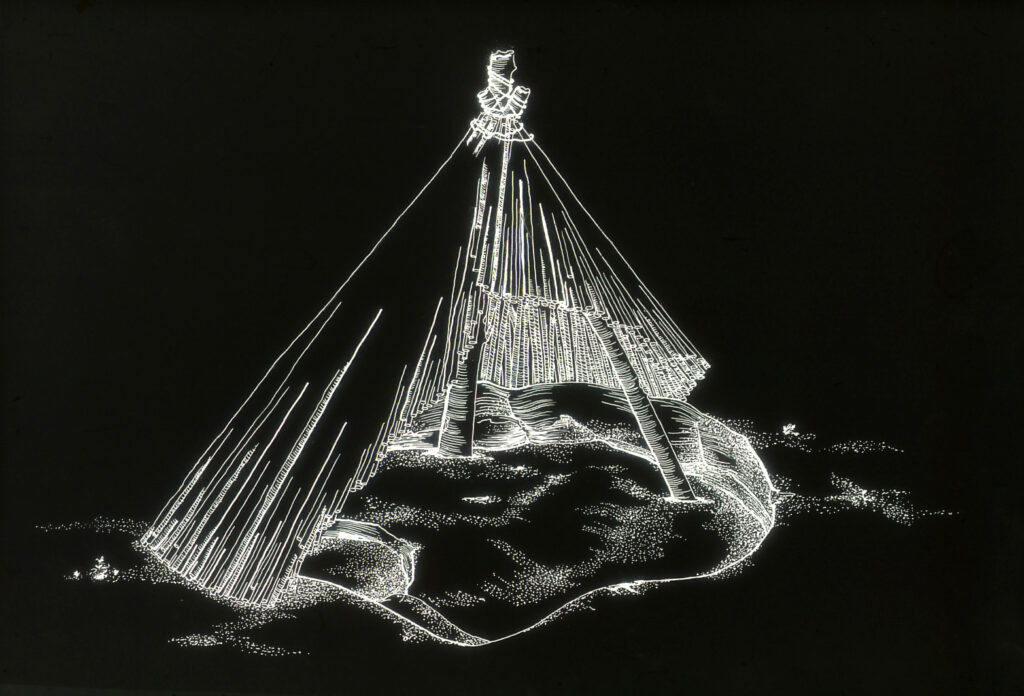
The second phase on Charnok related to the construction of earthen fortifications/ramparts, but also the construction of residential and other buildings within the fortifications. This phase is dominated by above-ground buildings with ovens and containers for storing various grains. Next to the buildings/houses there are also silos for storing grain food.
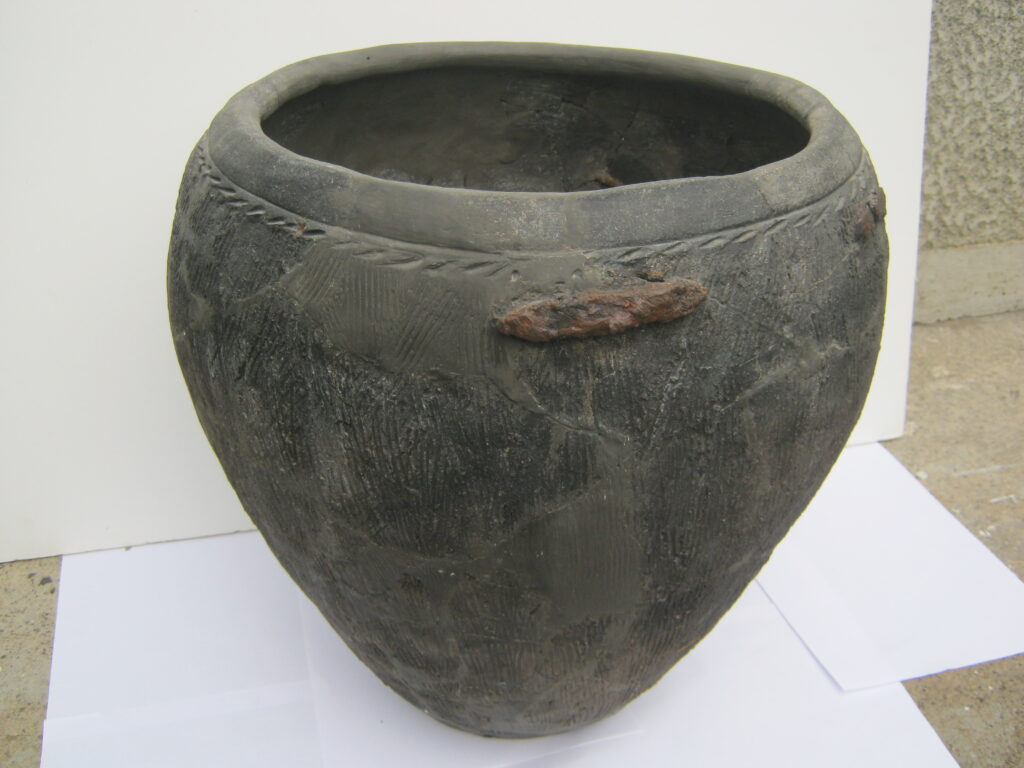
In the third phase, it is related to the partial restoration of the settlement after the fire inside the ramparts. In this phase, for the first time, buildings were discovered that were used for storing and drying grains, then miniature ovens with a firebox and a grill for drying grains.
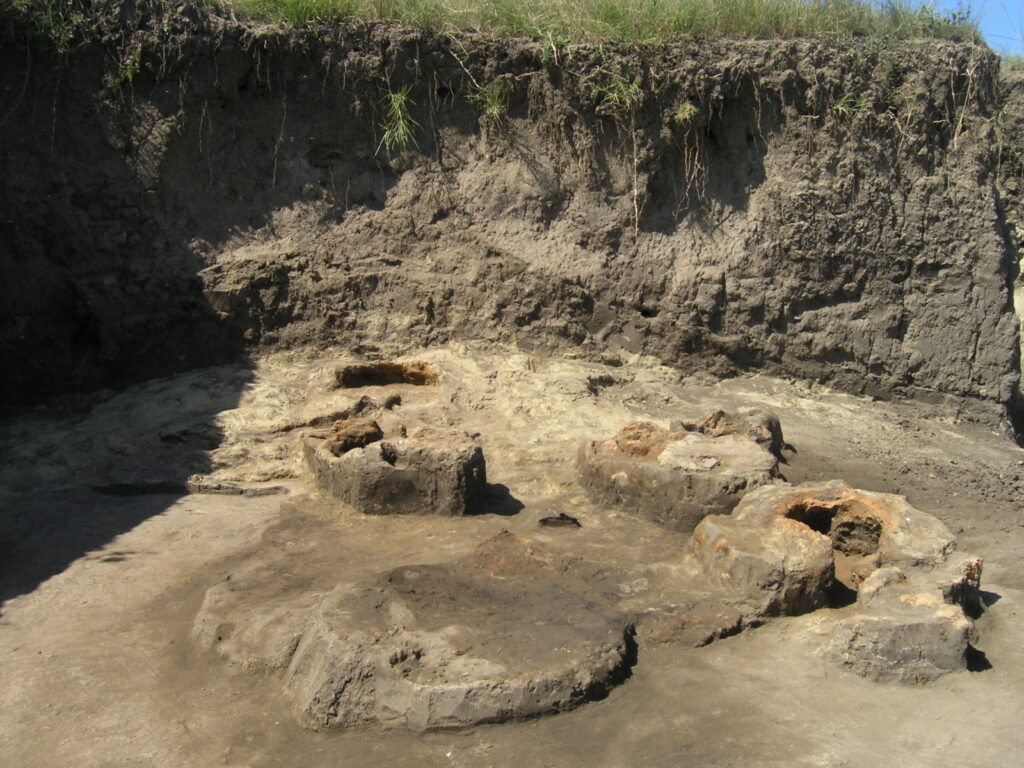
For the first time, miniature furnaces that were used for melting metals, in this case bronze, were discovered in a fortified Late Late Late settlement.
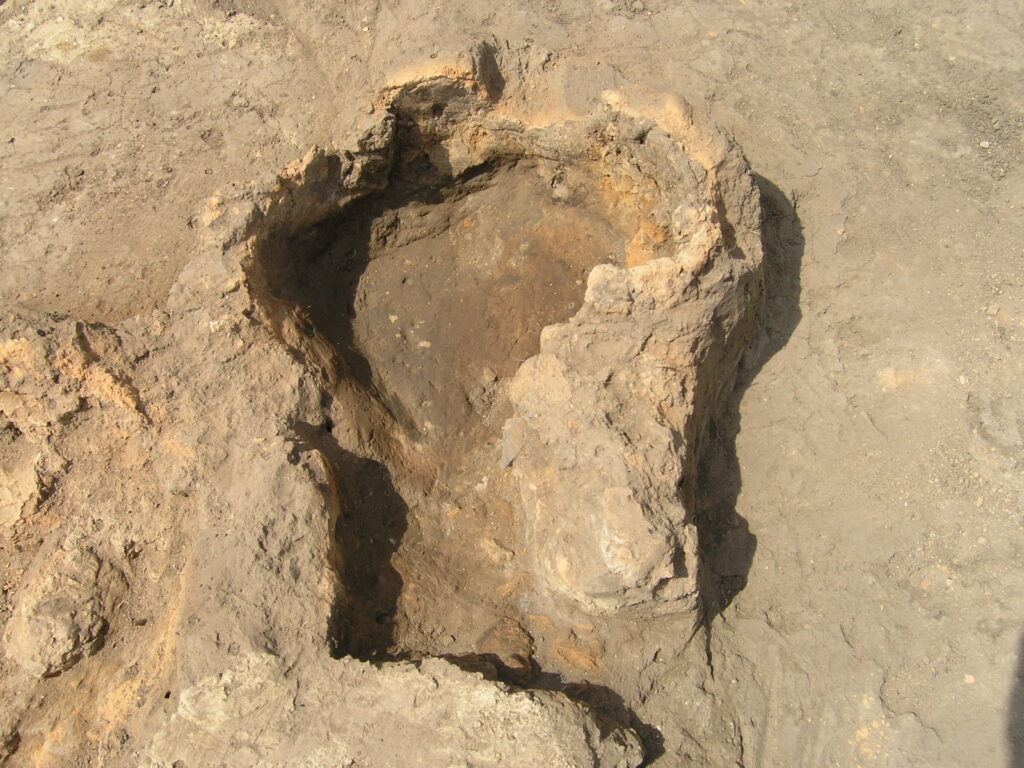
A part of a bronze casting vessel was found in Charnock. This indicates that a number of miniature furnaces were intended for the melting of ingots that were delivered to the fortified settlement for further processing. It should be pointed out that the Late Late Late Late Late settlement on Čarnok is one of the few fortified settlements in southern Pannonia and Danube that has been completely preserved. In this part of southeastern Europe, it is a completely new form of fortification that is associated with the Celtic tribes after the return from Delphi in 279 BC. In terms of their structure and construction method, they do not belong to the typical fortifications of late settlements that we know in Western and Central Europe. They differ from large Celtic fortifications as oppidums. Late Late Late fortified settlements in the Danube have stone and wooden structures, and the fortification consists of a powerful earthen embankment with very steep slopes leading down to a wide and deep ditch. Due to the construction method, it is considered a Pannonian type of fortification.
Residential buildings in fortified settlements were built mainly from materials found in the surroundings – wood, reeds, bushes and clay.
Marija Jovanović, Confirmed Late Late Late Late Late settlement of Čarnok near Vrbas, Work of the Museum of Vojvodina, Yearbook of Vojvodina Museums No. 50, 2008 Novi Sad